The Executive Coaching Blog
Reflections on business, leadership, and navigating big decisions with confidence. Plus, personal stories and insights from my own journey. Get new posts weekly when you subscribe to my email list.
Most leadership hires fail not because the candidate was wrong, but because the company never named what version of the role it was actually filling. The seat looked like the one that existed before. The job description was a refresh of the last one. The slate was sourced against the same profile. The hire was made, the candidate showed up, and a year later it was clear the seat had changed and the hire didn't fit the seat that was actually waiting.
Most leaders know how to make hard people decisions. The reason they postpone them is not the deciding. It is the unspoken fear that the decision will land badly. That the team will read it as evidence of an unstable hand, that the wrong people will leave, that the conversation will create more friction than the situation it solved.
That fear is rarely the actual outcome. But it is reliable enough to keep leaders from acting on calls they would otherwise make.
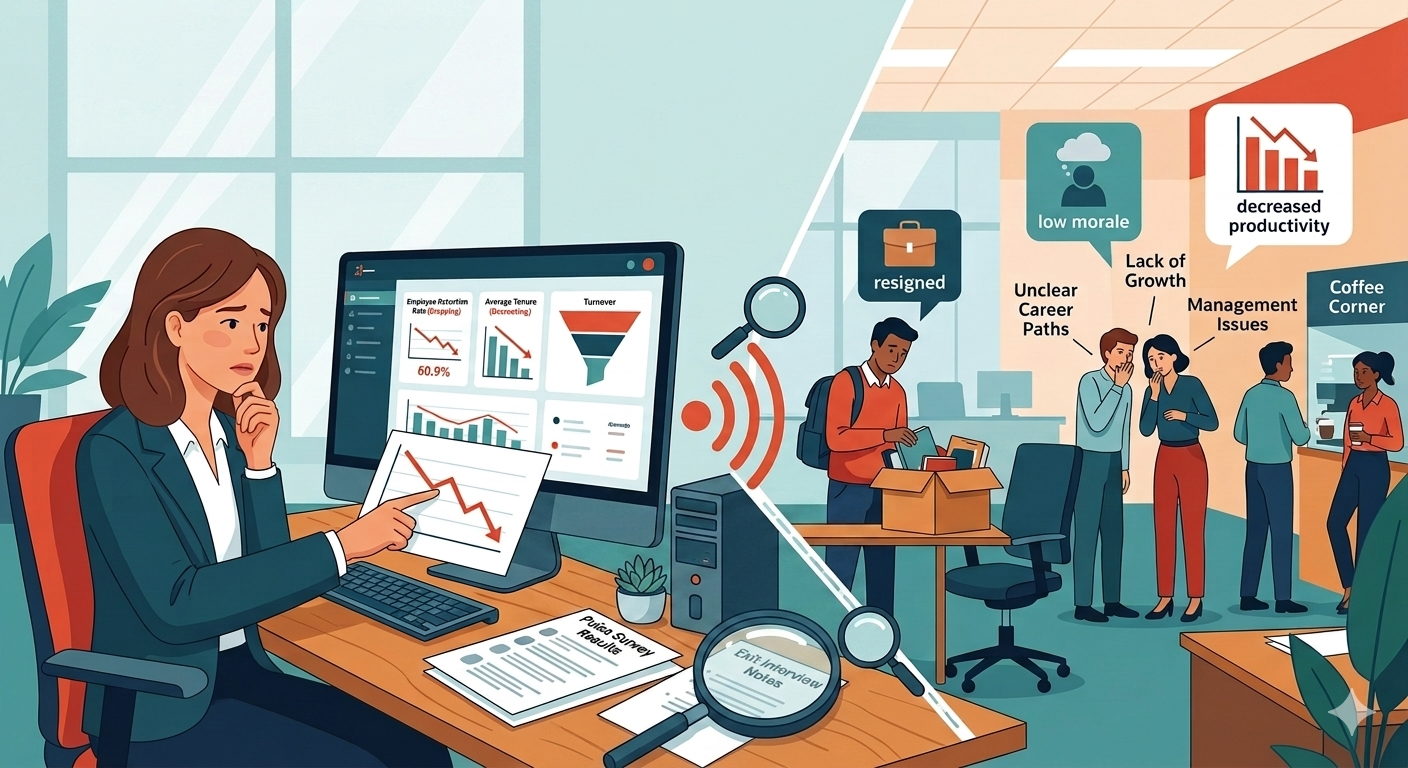
The retention question most senior leaders are asking right now is the wrong one. The right question is not whether your top performers are happy. It is what story your company has been telling them through its decisions over the last twelve months.
Turnover does not start with a resignation. It starts with a pattern of small, defensible decisions that, taken together, tell your best people what kind of company you are becoming.
Executive presence is one of those terms that gets used constantly and defined rarely. It shows up in performance reviews, in promotion conversations, in the vague feedback that someone "needs to develop their presence." But when you press for specifics, most people can't describe what they mean. They just know it when they see it.
What looks like agreement is often something else. A team that has, over time, been quietly trained to avoid. Not because they're conflict-averse by nature, but because they learned what happens when someone speaks up.
Maybe it was a dismissive response in a meeting. Maybe it was a leader who asked for honesty and then made the person regret giving it.
How you handle conflict isn’t just a communication style—it’s a hidden test of your leadership. Whether you avoid, accommodate, compete, compromise, or collaborate, your default conflict response reveals your instincts under pressure. Learn how these patterns form, how they affect your leadership impact, and how to lead more intentionally when tensions rise.
The leadership rules that once guaranteed success no longer apply. In today’s fast-changing world, influence has replaced authority, adaptability trumps expertise, and trust drives results. If you’re a high-achiever feeling stuck despite doing everything “right,” it’s time to rethink your leadership approach. Are you ready to evolve—or will outdated strategies hold you back?
You’ve checked all the boxes for success—so why does it feel like something’s missing? If you’re feeling stuck despite your achievements, you’re not alone. The same mindset that got you here might be holding you back. This guide unpacks why high achievers hit invisible walls—and how to break through them.
Relying on a single paycheck in today's economy is risky — even top performers face layoffs and industry shifts. But what if you could create multiple income streams without quitting your job? A portfolio career is the smartest hedge against career uncertainty, giving you financial security, flexibility, and limitless earning potential. The future of work is diversified. Ready to take control of yours? Read more now.
Is your leadership approach falling flat? Traditional management styles built on hierarchy and control no longer work in today's dynamic workplace. Discover why and learn how to shift to influence-based leadership.
We all have that voice—the one that second-guesses, catastrophizes, and keeps us small. Mine? Her name is Becky. For years, she ran the show, convincing me that playing it safe was smart. But here’s the truth: Becky isn’t wise—she’s just outdated fear in disguise. Naming her changed everything. I stopped confusing her with my intuition and started leading from courage, not worry. This post is for every high-achiever whose inner critic sounds convincing but isn’t in charge anymore.